ATLAS
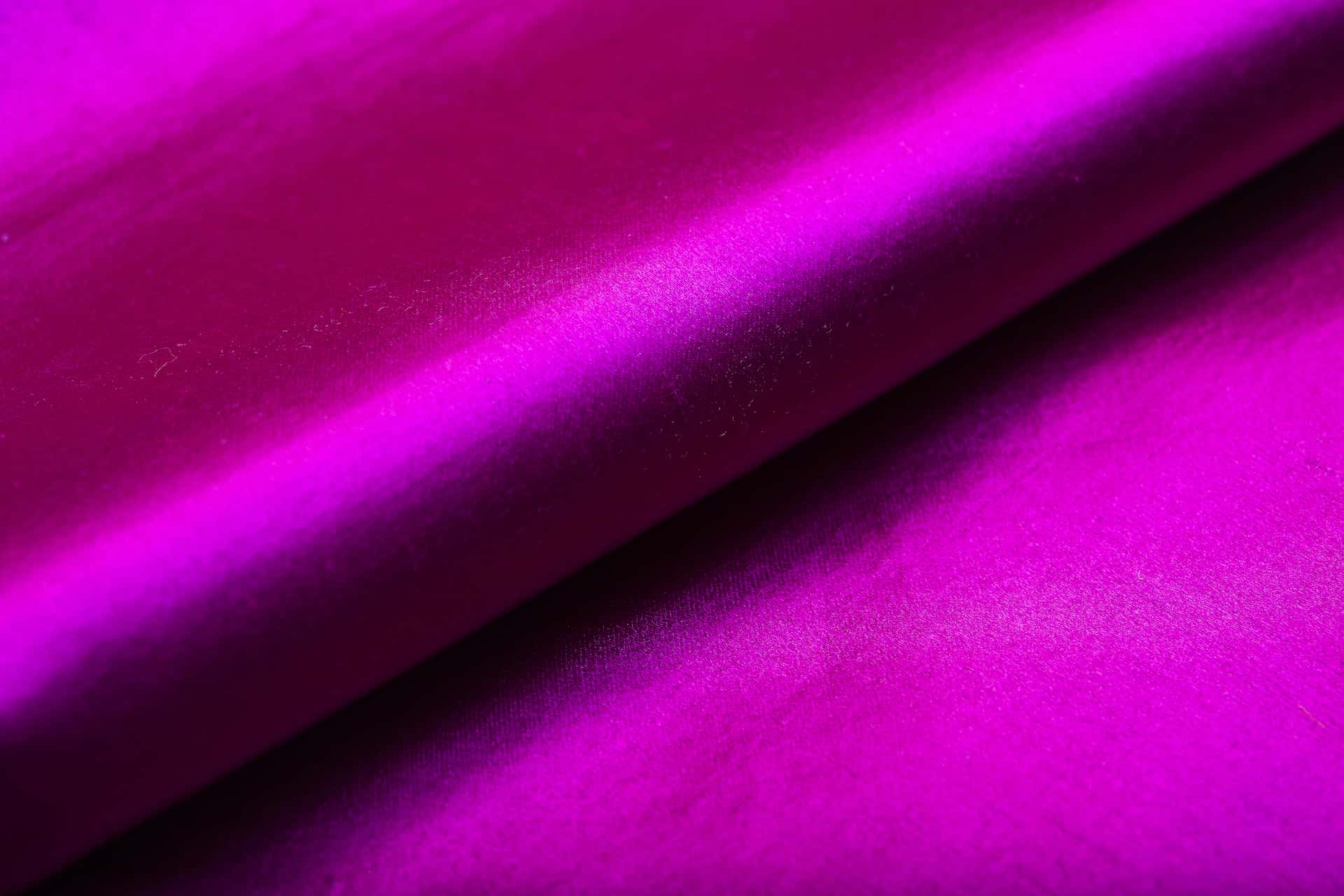
Atlas or satin is the type of weave and fabric that best reflects the shine of silk. It is known that Atlas fabric was first woven in China and passed to the Western world through the Arabs. The Ottomans, who imported atlas fabric in the 15th century, began to be interested in the production of atlas as well as velvet in the 16th century. At that time, types such as misk-i atlas, şehri atlas (Bursa type), Damascus atlas, Maraş atlas can be seen. According to Evliya Çelebi’s Travel Book, in the middle of the 16th century, there were 105 shops and 300 shop keepers in İstanbul who were trading atlas. There were twelve rolls of atlas among the gifts that the pashas, who rose to the level of vizier in the Ottoman Palace, had to present to the sultan.
Atlas is a densely woven fabric with warp and weft made of fine silk, usually hard, shiny, in one color. Westerners call it “satin” (sateen). Atlas, which is a simple weave, has a floating weave type structured on a weaving unit with five or more warps and five or more wefts and woven with separate junction points giving the warp-faced floating weave a smooth appearance. Atlas weaves were woven in Bursa and İstanbul. The warp of the atlas is a denser fabric with cotton thread; this type is used in upholstery. According to the weaving technique, atlas weaves are divided into various groups as warp-faced, weft-faced, double-faced, dull (matte color), iridescent (weft and warp in different colors). In addition to plain-woven atlases, there were also types with longitudinal line bars called taraklı (scalloped). The most preferred colors are green, red and purple, and naphtha. Atlas, adopted more by the courtiers due to being expensive, durable, and shiny, was used in the production of flags, banners, quilt covers, curtains, bundles, money bags, fur linings, caftans, shalwars, loose robes, and dresses.