PESHTAMAL (LOINCLOTH)
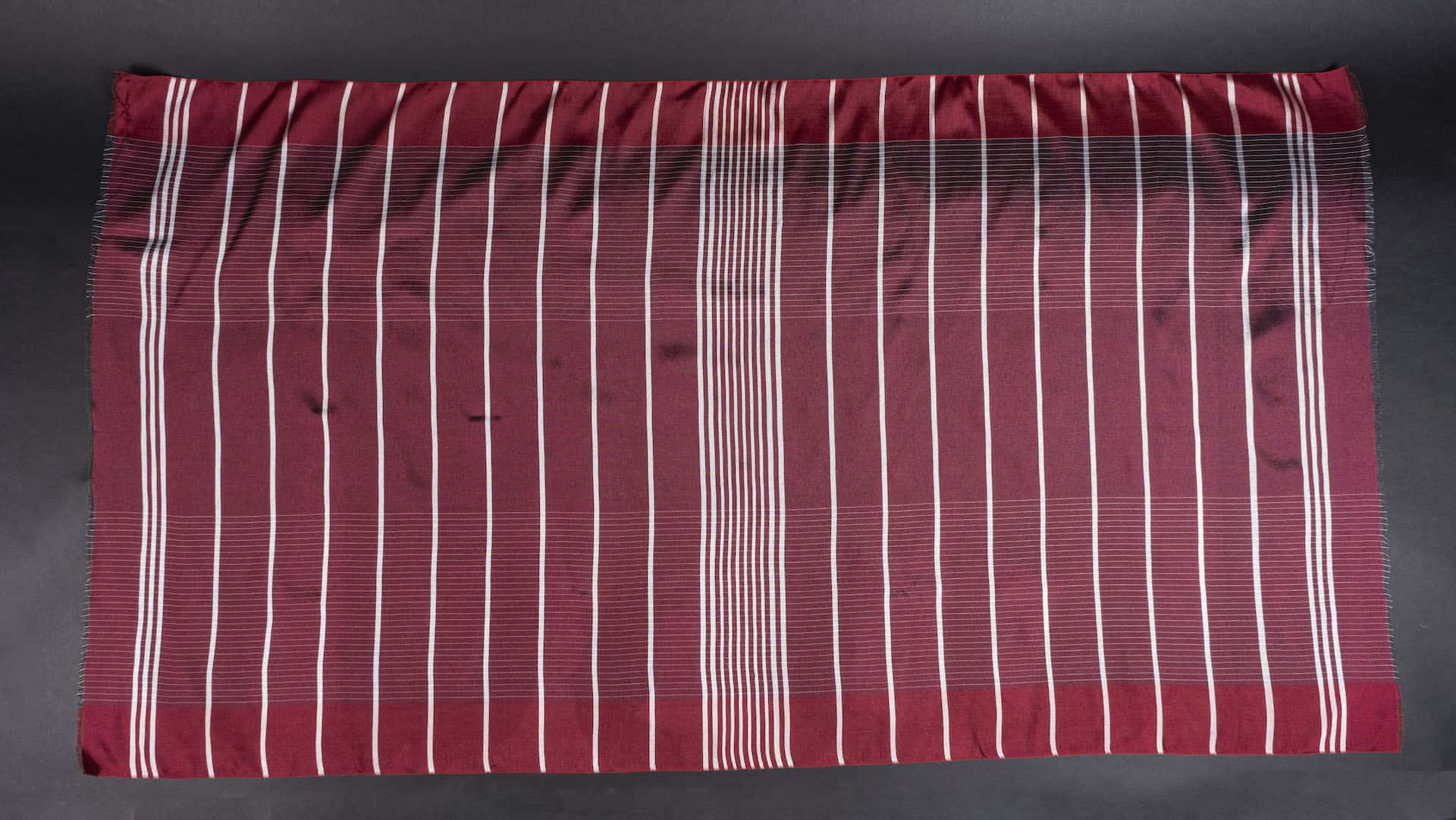
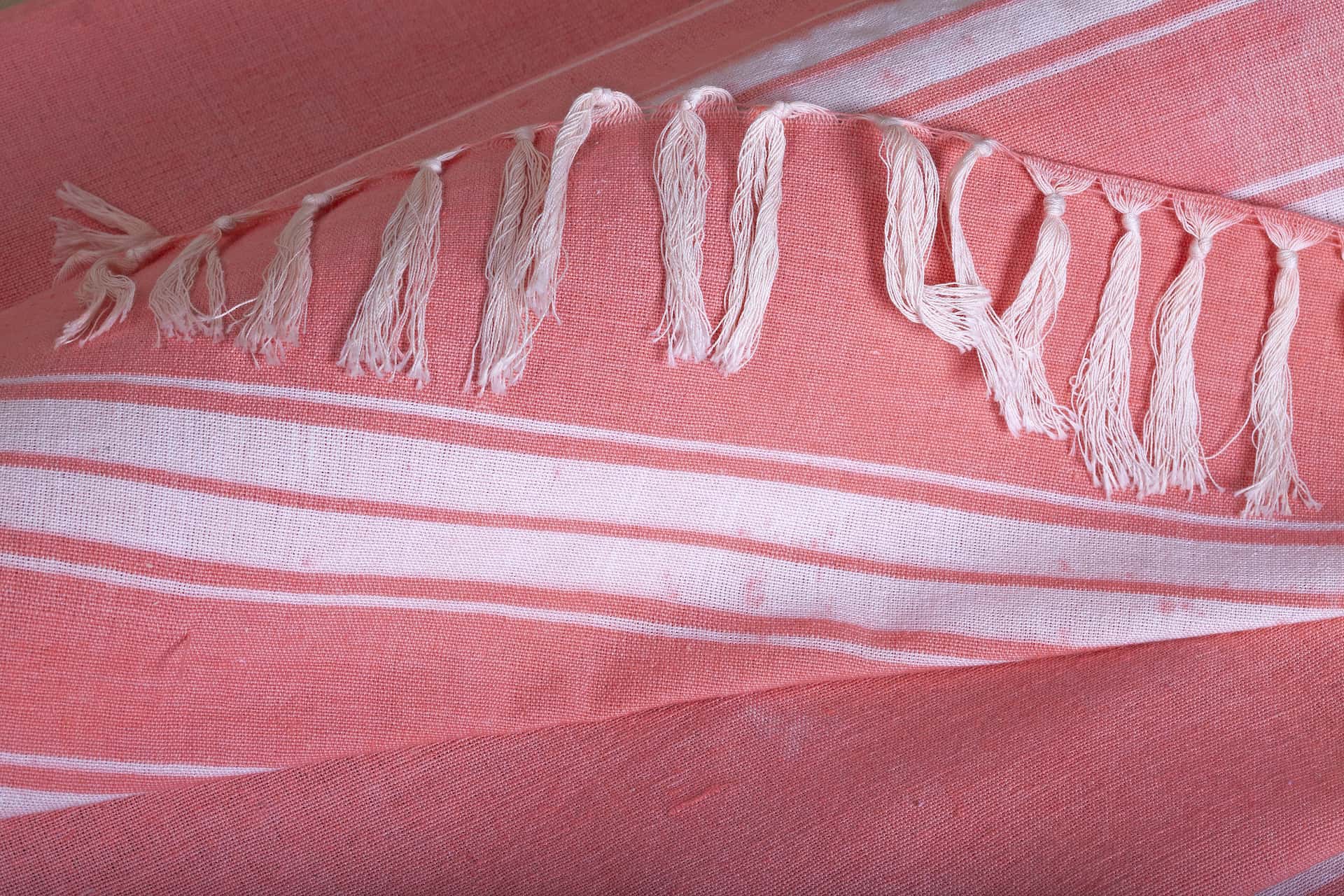
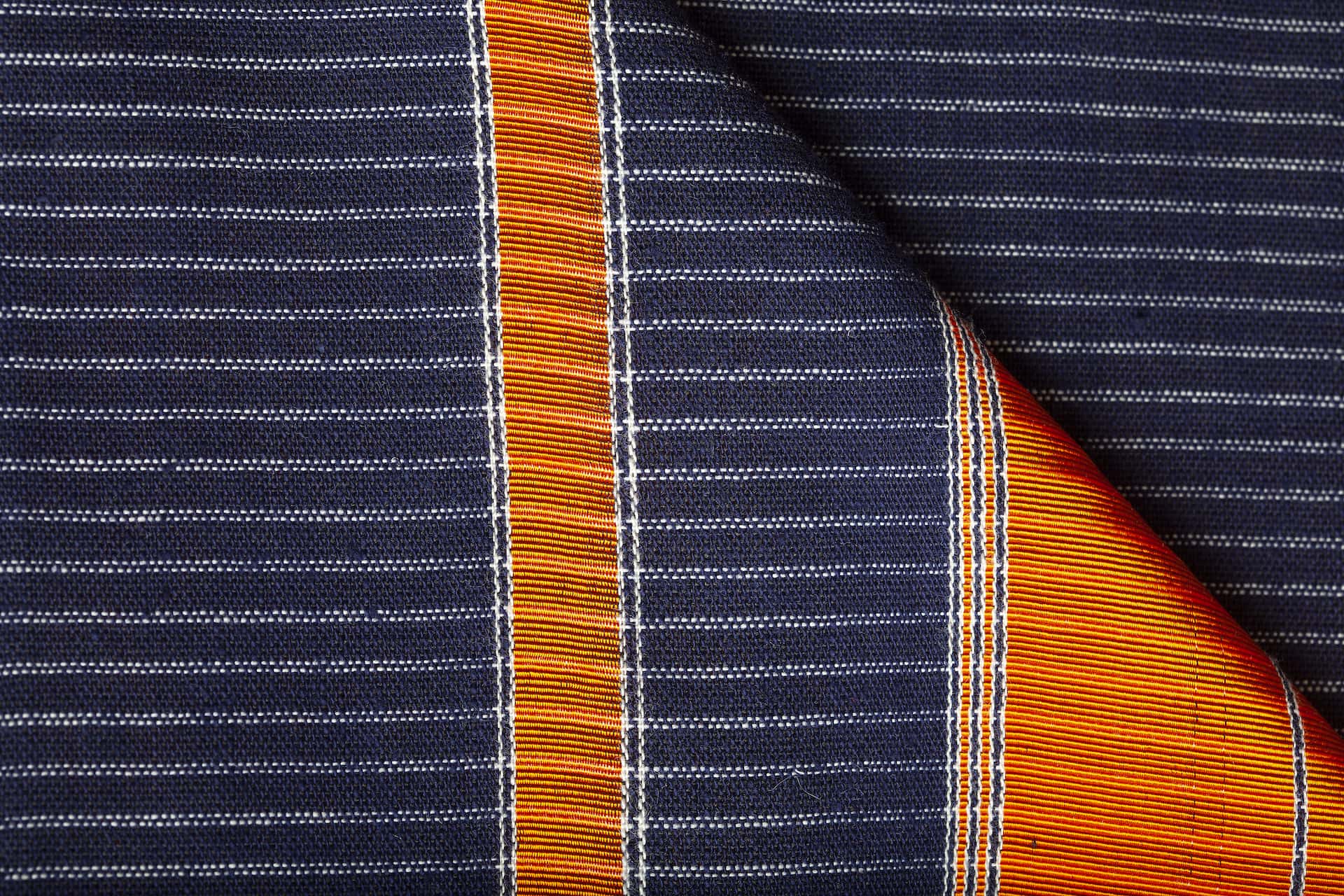
Peshtamal is woven in İstanbul, Bursa, İzmir; Çarşıbaşı, Akçaabat, and Sürmene districts of Trabzon; Kastamonu-İnebolu, Rize, Edirne, Çanakkale, Denizli-Buldan, Kastamonu, Burdur, and Gaziantep. In Anatolia, it is still used as an apron or as cover in hamam (Turkish bath), and its colors change according to local characteristics. Hamam culture has been one of the basic values of Anatolian people since ancient times, and one of the indispensable values of daily life and important occasions. Used as bath clothing, peshtamal is woven both for daily use and as a dowry item. In some examples woven as dowry, gold or silver wires were used in addition to silk material. Furthermore, in the Ahi culture, journeymen who become master wear a peshtamal on the waist with a ceremony.
Peshtamal is woven with striped, crossed/checkered/plaid or ikat patterns in plain or twill weave using cotton, linen, and silk warps and wefts through standard twist. In weaving, cotton, linen, and silk are used as materials, and in the ones to be used as dowry, gold or silver wires are used. The threads used are white (natural cotton color, natural linen color, and natural silk color), red, light red, dark red, yellow, orange, green, purple, and black. In Anatolia, peshtamal was woven and used in all places where hamams existed. Weaves have patterns such as stripes and crosses/checkers/squares/plaids or ikat.