HARPUT ŞİB WEAVING
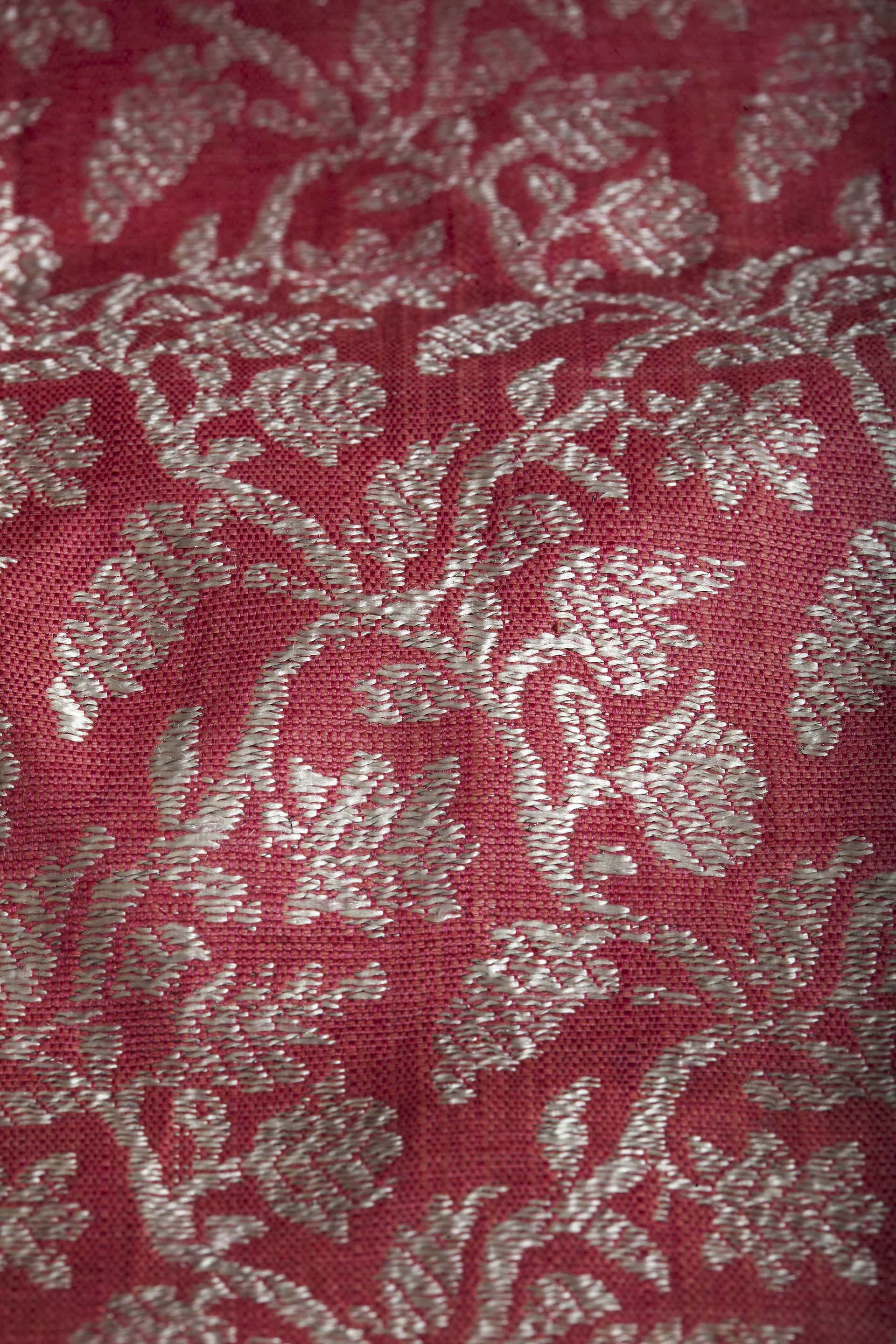
Elazığ Harput Şib was woven in Harput district of Elazığ province. It is one of our discontinued weavings today. Harput district of Elazığ province is one of the important sericulture and silk weaving centers of the Ottoman Empire. It is known that weaving is practiced especially by minorities in Harput. Darü’l Harir School in Harput was important in terms of giving education on sericulture and raising public awareness between 1909-1930. The locally woven şib weavings were sold to many cities in the country, particularly İstanbul, and abroad. Sericulture and silk weaving in the region came to an end because of various reasons such as industrialization, the retirement of the masters in the region, the indifference of the new generation.
It is woven with plain, twill, and atlas basic weaving weaves and their derivatives by using silk warp and weft and gold thread in some patterns. Natural white silk color, blue, pink, and lilac colors are used in weaving. Patterns of Elazığ Harput şibs were created with organic motifs used in Late Ottoman Period Traditional Turkish Ornaments. Patterns are in the characteristics of Turkish Baroque-Rococo. There are pattern compositions created with various motifs of leaves, flowers and flower bunches, curved branches, and candles seen in İstanbul fabrics of the same period. Şib weaves were used in the production of loose robes, dresses, bundles, prayer rugs, mattresses, quilt covers, chest covers, and curtains.